Nike’s After Dark Tour in London is a great example of what happens when a sports brand stops thinking only about campaigns and starts thinking about creating experiences people want to belong to.
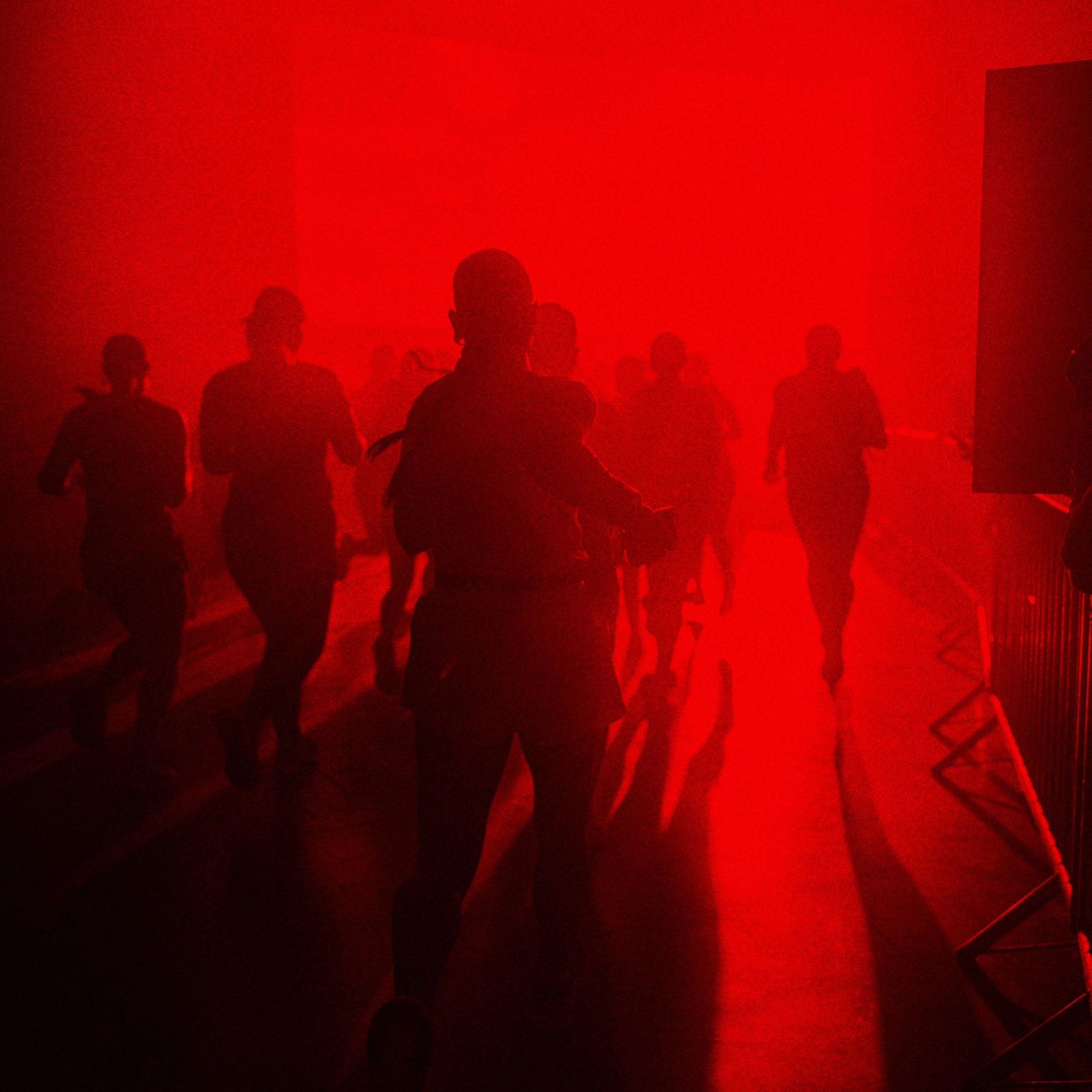
On October 17, thousands of runners took over East London for a sold-out Nike After Dark 10K.
But this wasn't another traditional road race.
Part of the course took runners somewhere most people will never experience on foot: the runway at London City Airport.
For one night, a space normally associated with planes, departures and arrivals became a running track.
And that transformation is exactly what made the activation so powerful.
The venue became part of the story
There are thousands of races around the world every year.
So how does a brand make another 10K culturally interesting?
Nike created a moment that was immediately different.
The course moved through London's Royal Docks before reaching London City Airport, giving runners the rare opportunity to race along the runway with the London skyline surrounding them.
The location wasn't simply infrastructure.
It became content.
It gave participants something worth documenting, gave media something worth covering and gave people watching online an immediate reason to pay attention.
That's experiential marketing at its best: the environment itself communicates the idea.
But the runway was only the hook
What makes the After Dark Tour particularly interesting from a marketing perspective is that Nike didn't build the experience around spectacle alone.
The larger platform is focused on bringing more women into sport while creating community, confidence and self-expression through running.
London was one stop in a seven-city 2026 tour spanning Shanghai, Sydney, Mexico City, London, Los Angeles, Manila and Mumbai.
That transforms the idea from an isolated activation into a global community platform.
And that's an important distinction.
Nike isn't simply sponsoring someone else's running community.
It's helping build one.
Community is becoming one of the most valuable assets in sports marketing
Consumers increasingly have endless options for content.
What is harder to replicate is belonging.
Running has become particularly powerful territory for brands because the sport naturally sits at the intersection of fitness, wellness, fashion, social connection and culture.
The After Dark Tour brings those pieces together.
There are coaches.
Training programs.
Nike Run Club integration.
Strava communities.
Race-day experiences.
Music and entertainment.
Post-race celebrations.
And, ultimately, thousands of people sharing the experience with one another.
The product exists within the ecosystem, but it doesn't have to dominate the conversation.
Instead, Nike creates the environment where the brand naturally belongs.
Women's empowerment becomes participation, not messaging
There's another lesson here.
Brands frequently talk about empowerment.
The strongest initiatives allow consumers to experience the message rather than simply hear it.
Nike describes After Dark as a women-focused race series created to invite more women into sport and foster community and self-expression.
In London, that idea became tangible.
Thousands of women weren't watching an advertisement about confidence, ambition or pushing limits.
They were running.
Training.
Competing.
Celebrating.
Supporting each other.
Creating memories.
That difference matters.
Purpose becomes much more credible when people can participate in it.
Sport + culture + community
This is where the activation becomes particularly interesting from a sports marketing perspective.
Modern sports marketing increasingly extends beyond the competition itself.
The strongest properties are becoming cultural platforms.
Running can connect:
Sport through competition and personal performance.
Community through training groups and shared experiences.
Culture through music, fashion, nightlife and social content.
Brand through products, apps, coaches and experiences.
Purpose through creating spaces designed to encourage participation.
Nike brought all of those elements together in London.
The airport runway generated attention.
But the community gave the activation meaning.
The Marketing Play
There is a simple lesson here for marketers:
Don't just sponsor the moment. Create the moment.
The most memorable sports marketing doesn't always require inventing a new sport or launching another massive advertising campaign.
Sometimes it means looking at a familiar activity differently.
A 10K becomes a nighttime cultural experience.
An airport becomes a running track.
Thousands of individual runners become a community.
And a brand becomes part of a story people actually want to share.
That's the opportunity when sport, culture and brands truly intersect.
Sport. Culture. Brands.
The Marketing Play