The NBA is back. And while basketball fans are focused on championship contenders, new rosters, and the excitement of another season, there's another game already underway: the marketing game.
For sports marketers, the weeks leading up to opening night offer a fascinating look at how teams are evolving their strategies to capture attention, engage communities, and create opportunities for brands.
This preseason, three trends have particularly caught my attention.
1. Going Beyond Borders: The Rise of Culturally Targeted Content
One of the most interesting developments is the growing emphasis on dedicated social media platforms designed for specific international and multicultural audiences.
Teams are increasingly recognizing that connecting with Latino fans requires more than translating English-language content into Spanish.
It requires understanding culture.
Dedicated Spanish-language social media accounts, localized storytelling, culturally relevant humor, and content tailored to specific communities are becoming important tools for expanding engagement.
And the opportunity is significant.
Basketball has a passionate following across Latin America, the Caribbean, and Hispanic communities throughout the United States. But these audiences aren't identical. A fan in Puerto Rico may experience basketball differently from someone in Mexico, Argentina, or Los Angeles.
For NBA organizations, this creates opportunities to develop stronger connections with fans through content that reflects their identities and interests.
It also presents new opportunities for sponsors looking to connect with multicultural audiences in meaningful ways.
“The Marketing Play: Translation makes content accessible. Cultural relevance makes it meaningful.”
2. Brand Collaborations Are Becoming Entertainment
Sponsorships have traditionally been built around visibility.
Logos on courts, signage throughout arenas, branded social media posts, and advertising placements remain valuable components of sports marketing.
But some of the most exciting opportunities today come from partnerships that go beyond exposure.
Brands and sports organizations are increasingly exploring how to create original content, entertainment, and experiences together.
The NBA provides an ideal environment for these collaborations.
Basketball exists at the intersection of sports, music, fashion, gaming, and popular culture. Players are more than athletes; they're personalities who influence conversations and trends far beyond the court.
This creates an opportunity for brands to become part of the cultural experience surrounding the game.
Whether through athlete-driven storytelling, original digital series, creative social media activations, or unexpected collaborations, the strongest partnerships deliver something fans genuinely want to engage with.
For marketers, the question is evolving.
Instead of simply asking, "Where can we place the brand?"
We should be asking:
“What can this partnership create that fans will actually care about?”
That's where sponsorship becomes more than a transaction. It becomes a platform for creativity, engagement, and shared value.
“The Marketing Play: The best brand collaborations don't interrupt the fan experience. They enhance it.”
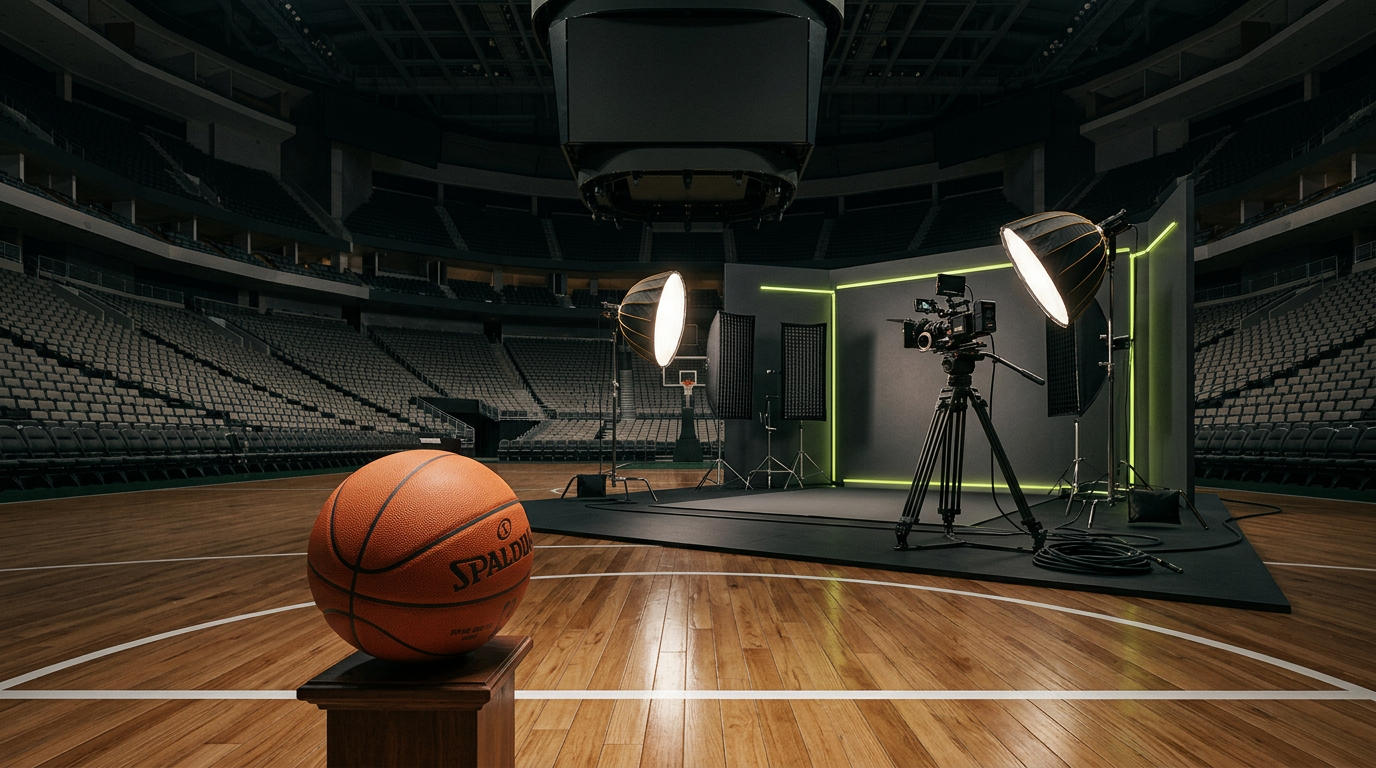
3. Media Day Is Becoming a Creative Content Studio
One of my favorite trends is the evolution of NBA Media Day.
What was once primarily an opportunity to capture traditional player portraits, team photographs, and interviews has evolved into a much larger creative production moment.
Teams are experimenting with unique photography, creative lighting, cinematic visuals, playful concepts, and content designed specifically for social media.
And the results can extend far beyond the preseason.
Media Day provides organizations with an opportunity to produce content that can support their marketing strategies throughout the entire season.
Think about the possibilities:
Game-day graphics and promotional campaigns.
Player milestones and individual storytelling.
Behind-the-scenes content and personality-driven social posts.
Creative sponsor integrations.
Short-form videos, memes, and culturally relevant moments.
What makes this particularly interesting is the opportunity to showcase player personalities.
Fans don't just follow athletes because of their performance. They connect with their humor, style, interests, and identities.
By creating an environment where players can express themselves, teams can produce content that feels more authentic and entertaining.
And from an operational perspective, it's also a smart way to maximize production resources.
One well-planned creative session can generate assets that remain valuable for months.
“The Marketing Play: Media Day isn't just about capturing the team. It's about creating the visual identity and storytelling opportunities for the season ahead.”
The Bigger Picture: Sports Marketing Doesn't Start at Tipoff
What connects these three trends is a broader evolution in how sports organizations approach marketing.
Culturally targeted content demonstrates the importance of understanding audiences beyond demographics.
Creative brand collaborations show how sponsorships can become platforms for entertainment and storytelling.
And the transformation of Media Day highlights the value of approaching traditional sports operations with a creative marketing mindset.
Together, they reinforce a simple idea:
“The game creates the attention. Everything surrounding it creates the opportunity to build lasting connections.”
The NBA has become much more than a basketball league. It's a global cultural platform where sports, entertainment, fashion, technology, and brands intersect.
For teams, the challenge is finding new ways to remain relevant beyond game nights.
For sponsors, it's identifying opportunities to contribute meaningfully to the fan experience.
And for sports marketers, it's recognizing that some of the most impactful campaigns may happen long before the opening tipoff.
As the 2026–27 NBA season unfolds, I'll be keeping an eye on the creative executions, brand partnerships, and marketing strategies that continue pushing the industry forward.
Because while the competition on the court is just getting started, the competition for attention never stops.
Stay tuned for more.